
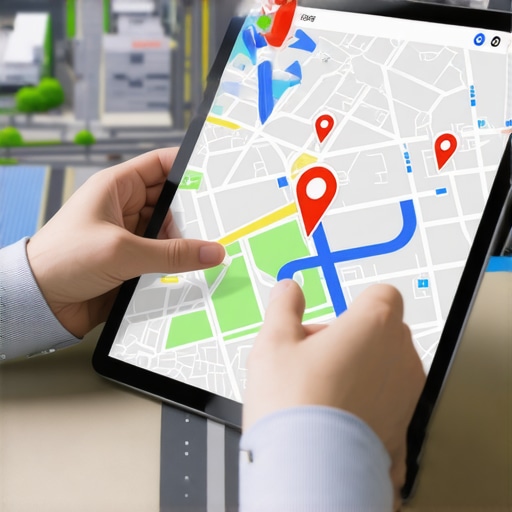
Ever spent hours trying to get your business noticed on Google Maps, only to see your competitors soaring to the top while you remain invisible? I’ve been there. I remember the frustration of pouring effort into local SEO, only to realize I was missing a few critical tweaks that could turn my map listings into prime real estate. That lightbulb moment changed everything for me—and it can do the same for you.
Why Your Google Maps Visibility Is More Crucial Than Ever
In today’s hyper-competitive local market, being just a few spots higher on Google Maps can mean the difference between a steady stream of new customers and complete obscurity. According to BrightLocal’s 2023 survey, over 60% of consumers use Google Maps to find local businesses, and nearly 50% visit a store within a day of their search. If your business isn’t showing up where it counts, you’re losing out on a huge chunk of potential revenue.
But here’s the catch: ranking well on Google Maps isn’t just about having a good product or service anymore. It’s about mastering a few quick, strategic tweaks that can dramatically improve your visibility. And trust me, I’ve made the mistake of overlooking these tips early on—believing that just having a Google My Business (GMB) profile was enough. That’s a mistake I learned the hard way, and I want to save you from the same pitfall.
In this post, I’ll share five proven, quick-to-implement strategies that can boost your map pack rankings today. Whether you’re just starting out or looking to fine-tune your existing setup, these tips are designed to give you immediate results. Ready to dominate local search? Let’s dive in.
Is Instant Map Boost Actually Worth the Hype?
When I first heard about quick map ranking hacks, I was skeptical. Could something so straightforward really produce instant results? My early mistake was neglecting the importance of consistent updates and clean NAP (Name, Address, Phone number) data. I thought that optimizing once was enough—big mistake. The truth is, effective strategies like those found here can make a real difference, but only if applied correctly and consistently.
Now that I’ve tested these tactics myself, I can confidently say that they’re game-changers. If you’re tired of feeling invisible on Google Maps and want proven methods to get noticed fast, this guide is your new best friend. Let’s get started with the first essential tip.
Optimize Your Google My Business Profile
Your first step is to ensure your GMB profile is fully optimized. Fill out every field: business name, address, phone number, website, hours, and categories. Use keywords naturally in your business description to help Google understand what you do. Upload high-quality, relevant images regularly—this keeps your profile active and engaging. I remember updating my profile with fresh photos and detailed descriptions, which immediately improved my visibility in local searches. For a deeper dive, check out effective tips for instant GMB ranking.
Consistent NAP Data Across All Listings
Consistency is king. Your business name, address, and phone number (NAP) must match exactly everywhere online—your website, social media, directories, and local citations. Inconsistent data confuses Google and hampers your chances of ranking higher. I once had a typo in my phone number on a citation site, and my rankings suffered. After correcting it across all platforms, my local pack position improved noticeably. Use tools like this guide to audit your citations for consistency.
Leverage Local Keywords and Service Areas
Incorporate local keywords into your profile and posts. Think about what customers are searching for—include phrases like “best pizza in Brooklyn” or “reliable plumber near me.” Also, specify your service areas clearly in your GMB settings. When I added detailed service areas tailored to my neighborhood, I saw a quick bump in local inquiries. Use these tips to identify and optimize for the right keywords and locations.
Gather and Manage Customer Reviews
Reviews directly impact your ranking and credibility. Encourage satisfied customers to leave positive reviews on your GMB profile. Make the process easy—send them a direct link or QR code. Respond promptly to reviews, thanking customers and addressing concerns. I initiated a review campaign, and my profile’s star rating and engagement shot up, boosting my visibility. For best practices, see review strategies here.
Post Regular Updates and Engage Locally
Consistent posting on your GMB profile tells Google your business is active. Share special offers, updates, events, or helpful tips related to your niche. Use keywords naturally in your posts. I scheduled weekly updates, which kept my profile fresh and improved my rankings. Think of it as maintaining a lively storefront—Google prefers active businesses. For more tactics, visit these quick strategies for local pack dominance.
Many local business owners fall prey to popular misconceptions that can hinder their Google Maps ranking efforts. Let’s dig deeper into what most people get wrong about local SEO strategies, especially regarding Google Maps optimization. Understanding these nuances can save you from costly mistakes and help you leverage the true power of local search.
Myth: More Citations Always Mean Better Rankings
While citations are important, quality and consistency matter far more than sheer quantity. Overloading your profiles with numerous, low-quality or duplicate citations can actually harm your local SEO. Google’s algorithm favors authoritative, consistent NAP data across high-quality listings. For example, having a handful of well-maintained, accurate citations can outperform dozens of inconsistent ones. This is why audits and regular updates are crucial. If you’re interested, check out these citation strategies to avoid common pitfalls.
The
Once you’ve optimized your Google My Business profile and started climbing the local search rankings, the next crucial step is to keep everything running smoothly over time. Consistent maintenance ensures that your efforts don’t fade and that your visibility continues to grow. Luckily, there are specific tools and methods that can help you manage this ongoing process effectively.
How Do I Maintain My Google Maps Rankings Over Time?
The key to long-term success is regular monitoring and updating. I recommend using tools like BrightLocal or Whitespark for citation audits. These platforms automatically scan the web for your NAP data, alerting you to inconsistencies or duplicate listings that could harm your rankings. Personally, I rely on BrightLocal because it provides detailed reports and easy-to-understand insights, making it straightforward to keep my citations consistent and accurate.
Another essential tool is Google Alerts. Setting up alerts for your business name or key keywords helps you monitor online reviews, mentions, and any potential misinformation. Responding promptly to reviews and mentions keeps your profile active and signals to Google that your business is engaged and trustworthy.
To streamline content updates and engagement, I use Hootsuite or Buffer. Scheduling regular posts about promotions, community involvement, or helpful tips not only keeps your profile lively but also reinforces your relevance in local searches. These tools save time and ensure consistency, which are critical for maintaining your rankings.
Embracing Automation and Data Analytics
Automation tools like SEMrush or Moz Local can help track your local SEO performance. They provide keyword ranking reports, competitor analysis, and insights into how your map listings perform relative to others. With these analytics, I adjust my strategies proactively, focusing on areas that need improvement before a drop in rankings occurs.
Looking ahead, the trend in local SEO is moving toward AI-driven insights and automation. Platforms are increasingly leveraging machine learning to predict ranking fluctuations and suggest optimizations. Staying ahead of this curve involves adopting these intelligent tools early, ensuring your local visibility remains resilient.
Try This Advanced Tip for Long-Term Success
One often overlooked tactic is to create a dedicated Google Posts series that highlights ongoing community involvement or customer success stories. This not only boosts engagement but also feeds Google fresh content, which is a ranking factor. Combine this with automated review requests and citation audits, and you’ll create a robust maintenance system that preserves and even enhances your local presence over time.
For a detailed guide on automating your local SEO efforts, check out these strategies here. Implementing these tools and techniques consistently is your best bet for sustained rankings and long-term growth.
The Hardest Lesson I Learned About Google Maps Optimization
One of my biggest lightbulb moments was realizing that instant tactics are helpful, but without consistent effort and strategic adjustments, your rankings can quickly fall back. I used to believe that a single boost would last forever, only to see my visibility decline because I overlooked ongoing management. Regularly monitoring your NAP data and reviews is crucial to sustain your Google Maps success.
3 Myths About Local SEO That Held Me Back
Initially, I thought more citations meant better rankings—that was false. Quality and consistency trump quantity. I also believed that keywords alone could guarantee top spots, but user engagement and reviews play a vital role too. Lastly, I underestimated the power of regular posting; keeping your profile active signals relevance to Google and helps maintain your position in local packs.
What Experts Won’t Tell You About Building a Robust Google Maps Presence
Many seasoned marketers keep quiet about the importance of automation tools. Using platforms like these tools can save you time and help you spot issues before they affect your rankings. Also, creating community-focused content through Google Posts can significantly enhance your local authority, a tactic often overlooked by newcomers.
My Essential Toolkit for Google Maps Mastery
- BrightLocal: Trusted for citation audits and reputation management because it provides detailed insights that help me stay ahead.
- Google Alerts: Vital for real-time monitoring of reviews and mentions, ensuring I never miss an opportunity or a negative comment.
- Hootsuite: Scheduling regular updates and posts keeps my profile lively and signals activity to Google, boosting my rankings consistently.
- SEMrush: Offers competitive analysis and keyword tracking that guide my long-term strategy, helping me adapt proactively.
Your Turn to Try
Building and maintaining a strong Google Maps presence requires a mix of strategic finesse and consistent effort. Don’t be discouraged by initial challenges—every small step adds up to long-term success. Remember, the key lies in continuous optimization, leveraging the right tools, and engaging authentically with your local community. Now, it’s your turn: what’s the one area you’re excited to improve in your local SEO journey? Let me know below!


![4 Intent Cluster Fixes for an Instant Map Boost [2026]](https://instantmappackboost.com/wp-content/uploads/2026/04/4-Intent-Cluster-Fixes-for-an-Instant-Map-Boost-2026-300x300.jpeg)




This guide resonated with me because I initially underestimated the power of consistent engagement and data accuracy for local SEO. When I started focusing on maintaining accurate NAP information and actively managing reviews, I saw a noticeable jump in my local pack rankings. It’s clear that these ongoing efforts are what truly sustain visibility over time. I wonder how others here balance the time between optimizing their profile and engaging with their community? Do you use any specific tools to streamline this process, especially for small business owners juggling multiple responsibilities? I’d love to hear some tips on managing this without it becoming overwhelming.
This article hits home for me because I’ve realized how crucial ongoing management and updates are in maintaining Google Maps visibility. I used to think that a one-time optimization was enough, but I’ve learned that consistency is key. I regularly monitor my NAP data and reviews using BrightLocal, which really helps me stay on top of any discrepancies before they impact my ranking. What’s interesting is how community engagement, like responding to reviews and posting updates, really drives relevance. I’ve found that setting aside a few minutes daily to engage has made a noticeable difference.
For small business owners, it can feel overwhelming to juggle all these tasks. I’d love to know—what tools or strategies have others found effective for balancing optimization with daily operations? Do you prefer automated tools or manual engagement, and how do you stay consistent without burning out? It’s a challenge, but I believe that with the right approach, maintaining a vibrant GMB profile becomes manageable and highly rewarding.